

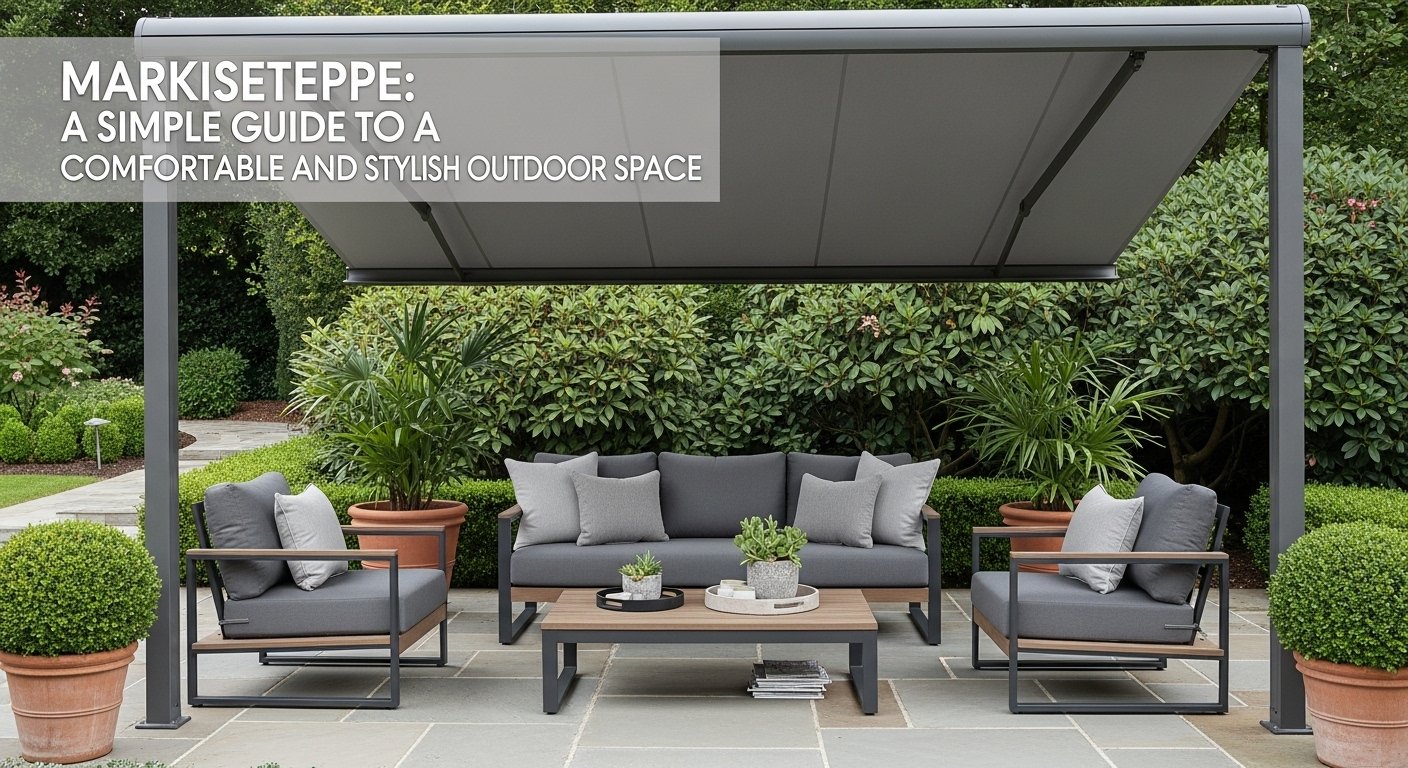
Have you ever wanted to enjoy your patio or balcony but found the sun too strong or the rain too sudden? If so, you’re not alone. Many people love spending time outdoors but need a little help to make it more comfortable. That’s where a markiseteppe comes in. This amazing little tool can change how you relax outside. Whether it’s sunny, windy, or lightly raining, a markiseteppe gives you shelter, shade, and style. It’s more than just cloth on poles—it’s a smart, helpful product that gives your outdoor space a big upgrade. In this article, we’ll explore what a markiseteppe is, why homeowners love it, how you can use one, and what to look for when buying. Whether you’re looking for comfort, beauty, or protection, this guide is your go-to resource for everything markiseteppe. Let’s dive in!
What Is a Markiseteppe?
A markiseteppe is a special kind of fabric canopy or awning. It attaches to the side of your home, often above a window, door, or patio. The main job of a markiseteppe is to protect you from the sun, wind, and light rain. Think of it like a cozy roof that rolls out when you need it and hides away when you don’t. Markisetepper (plural) are often made from thick, durable fabric and can roll in and out using a crank, remote, or even a smart home app. The word “markiseteppe” comes from Norwegian and simply means “awning fabric.” People use them on homes, cabins, cafes, and shops. They create shade, lower indoor temperatures, and add charm to outdoor spaces. If you want to enjoy your porch with less heat and more comfort, a markiseteppe is a perfect solution.
Reasons Why People Love Markisetepper
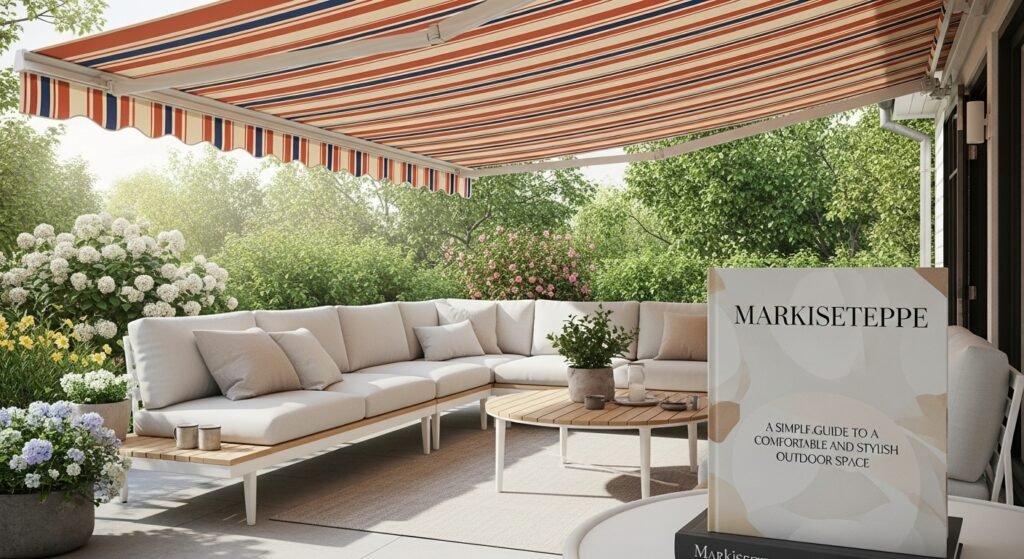
So, why do so many people choose a markiseteppe for their home or cabin? First, it creates shade, which can lower the temperature under it by several degrees. That’s a huge help on hot summer days. Second, it protects your windows and living space from strong sunlight. That can save energy by keeping your rooms cooler, so your air conditioner doesn’t have to work as hard. Third, it looks great! With many fabric colors and patterns to choose from, it can match your home’s style perfectly. And for those quiet mornings or cozy evenings outdoors, it creates the perfect space to sip your coffee, read a book, or gather with friends. Plus, with today’s smart tech, many markisetepper can roll in if it gets too windy—keeping the fabric and your investment safe.
Different Types of Markisetepper
Not all markisetepper are the same. They come in many types to fit different needs. The most common are retractable awnings, which roll in and out when you want them to. These are great for patios and balconies. Next, there are window awnings, which are smaller and go above windows to block glare and heat. If you have a business, drop-arm awnings might be perfect. These tilt out and give a stylish shadow to your shop front. There are also fixed awnings, which stay up all the time. They’re often built with a frame strong enough to handle wind and rain. For year-round use, many people choose cassette awnings. These protect the fabric when not in use by storing it in a cover. Choosing the right type depends on your space, weather, and how you want to use it. Whatever you pick, there’s a markiseteppe that fits just right.
Top Materials Used for Markisetepper
The quality of your markiseteppe depends a lot on the fabric and frame. Most awning fabrics are made from acrylic, polyester, or PVC-coated materials. Acrylic is breathable and resists fading from the sun. This makes it perfect for long sunny days. Polyester is lightweight and good for light rain, while PVC offers great protection if you live in a rainy or windy place. Some fabrics also come with UV protection to keep harmful sun rays away. The frames are usually made of aluminum, which is both strong and lightweight. That means it’s easy to operate but tough enough for outdoor use. Great materials mean your awning can last for many years without tearing or getting moldy. So when you shop, don’t just look at the pattern—look at the strength and weather resistance too.
Installing a Markiseteppe: Can You Do It Yourself?
If you’re a bit handy, installing a markiseteppe might be possible on your own. Especially for manual or smaller awnings. First, you measure the wall or ceiling you want to attach it to. Then, you drill in the brackets, screw in the awning, and test it. Sounds simple, right? But it’s important to follow every step in the instruction manual. Some models are big and need two people to lift. If your markiseteppe is electric or remote-controlled, you may need help from a professional, especially for wiring. Many people choose to hire a certified installer for peace of mind. That way, the job is done right, and the awning is safe and secure. A poorly installed awning can fall or tear, especially in bad weather. Whether you DIY or get help, make sure your awning is strong, level, and ready to use.
Where Can You Use a Markiseteppe?
A markiseteppe is super flexible. You can use one on your patio, over your balcony, or even above a camper. Many cabins in Norway have them outside the windows so people can enjoy mountain views without the sun in their eyes. Restaurants love using markisetepper to add outdoor seating, while keeping it cool and comfortable. Some people also install them over garden areas or hot tubs for extra shade or privacy. Even small apartments can benefit. A simple window awning makes a big difference on sunny days. If you live in a place with hot summers or bright sun, a markiseteppe can create a cool retreat in just minutes. Just be sure to choose a model made for your type of space, especially if you get a lot of wind or snow.
Are Electric Markisetepper Worth It?
Today, many markisetepper offer motorized options, and yes—they can be worth the extra cost. Imagine opening or closing your awning with just a button press! Some are controlled with remotes, while others connect to your smart home system. You can even set timers or connect wind sensors, which roll the awning in when gusts get strong. This protects both your home and the awning itself. Electric models are especially helpful for older people or anyone with mobility challenges. They also give a modern touch to your outdoor setup. Yes, they cost more than manual models, but the ease and safety can be well worth it. Look for trusted brands that offer warranty and good reviews. If convenience matters to you, an electric markiseteppe is a smart choice.
How to Clean and Maintain Your Markiseteppe
To make your markiseteppe last longer, it’s important to clean and care for it. Luckily, it’s easy! First, roll it out on a dry, not too sunny day. Use a soft brush or cloth to remove dirt and dust. Then mix warm water and mild soap—no bleach! Gently scrub the fabric, rinse with clean water, and let it air dry. Never roll it up when it’s wet. That could cause mold or mildew. Also, check the frame regularly. Tighten screws and apply light oil to moving parts if needed. If you see tears or frays, patch them before they get bigger. Most markisetepper should be cleaned once or twice a year, especially in spring and fall. If you live near the ocean or dusty areas, you may need to clean it more often. Taking simple care steps helps your awning stay strong, look great, and work smoothly for years.
Seasonal Use and Storage Tips
Many people take their markiseteppe down during the winter months, especially in snowy areas. Snow can get heavy and damage the fabric or frame. If you plan to put it away, make sure it’s clean and completely dry first. Then store it in a dry, cool space like a shed or garage. Some awnings, like cassette models, are built for year-round use with built-in protection. Even then, it’s smart to check for ice buildup during the winter. In heavy wind zones, always retract the awning when not in use. This prevents damage and keeps everyone safe. If you use your awning mostly in summer, spring is the perfect time to inspect and clean it before hanging it back up. Treat your markiseteppe like outdoor furniture—clean it, cover it, and store it well when not in use.
Markiseteppe vs Pergola: What’s the Difference?
Some people ask if they should get a markiseteppe or a pergola. Both give you shade, but they are very different. A markiseteppe is usually fabric-based and retractable, which means you can roll it in or out as needed. A pergola is a fixed structure, often made of wood or metal, with beams and sometimes a cloth top. Pergolas are more permanent and stronger in wind. But they also take more time and money to build. A markiseteppe gives you more flexibility because you can hide it when you don’t want it. Many people pair the two: using a pergola as a frame and adding a fabric awning on top. If you rent or want something with faster setup, a markiseteppe is the winner. If you’re building a huge outdoor room, a pergola may be better long-term.
Cost of a Markiseteppe: What to Expect
The price of a markiseteppe can vary a lot. A simple manual model for a window may cost under $200. A large motorized one for your patio might cost $1,000–$3,000 or more. What causes the big price range? It depends on fabric quality, frame size, whether it’s manual or electric, and extra features like sensors or smart tech. Installation costs extra, especially if professional mounting or wiring is needed. When budgeting, think long-term. A good-quality markiseteppe can last 10–15 years or more if well maintained. You may spend more now but save on cooling bills and enjoy more outdoor living time. Always compare prices from top suppliers and check online reviews before buying. Quality matters more than anything else.
FAQs
1. Can a markiseteppe handle heavy rain or wind?
Most are made for light rain and mild wind. In storms, retract it for safety. Choose a high-quality, wind-resistant model if you live in rough climates.
2. Is it okay to leave a markiseteppe out all year?
Only models made for year-round use should stay out during winter. Most should be retracted or packed away in snowy months.
3. How long does a markiseteppe usually last?
With good care, a high-quality markiseteppe can last 10–15 years. Clean it regularly and inspect parts for wear.
4. Can I use solar panels with a markiseteppe?
Yes. Some advanced models come with solar-powered motors. You can also have both on your home, just make sure they don’t block each other.
5. Are there eco-friendly markisetepper?
Yes! Some brands use recycled or sustainable fabric. Also, using one helps lower energy bills, which is great for the environment.
6. Can I customize the fabric color or size?
Absolutely. Many companies let you choose the fabric, style, and size to fit your space perfectly.
Final Thoughts
A markiseteppe is one of the easiest ways to make your outdoor space more livable, stylish, and fun. It cools your patio, adds charm, and gives you more room to enjoy the outdoors—even in strong sun. Whether you’re adding one to a cozy balcony or a spacious deck, it makes a big difference. You can find options for every budget, design, and need. Plus, with technology like electric motors and smart apps, it’s never been easier to get the most out of your space. Take care of it, and it will serve you well for many years. So if you’re tired of squinting in the sun or running indoors from a quick rain, it might be time to try a markiseteppe. Start small or go big—either way, you’ll love the comfort it brings. Ready to make your home cooler and cozier? Let your markiseteppe adventure begin!