


Table of Contents
If you’ve been online lately, you may have run into a strange word that’s grabbing attention fast—iceporncasting. Just reading it might make you pause and wonder, “What is that supposed to mean?” And if you were bold enough to search it, you probably didn’t find a clear answer. You may have seen confusing links, fake blogs, sketchy websites, and a bunch of people in comment sections saying, “Don’t Google it!” But here’s the catch—iceporncasting doesn’t actually mean anything real. It’s one of those odd internet terms that somehow becomes viral without a real reason. Still, that doesn’t stop people from talking about it, sharing it, or trying to figure it out. In this article, we’re clearing up the confusion. We’ll explain what iceporncasting is (and isn’t), how it went viral, and why weird internet words like this become trends. We’ll also help you stay safe online, avoid digital traps, and uncover how to use your curiosity in smarter ways. So, let’s unpack the mystery behind this viral sensation and learn some smart online habits in the process.
What Does Iceporncasting Really Mean?
Let’s get straight to the point. Iceporncasting is not a real word. It’s not part of internet culture, TV, movies, games, or trends. It has no official definition and doesn’t come from any known source. It appears to be a completely made-up term created to grab attention. When people first see it, it shocks them a little. It feels like something strange or secret—maybe something adult or edgy. But there’s no real meaning here. It’s just a bunch of random syllables that sound strange enough to make people curious. This is exactly why it’s getting so many searches. Users see it in a forum, hear it in a comment, or see it trending on social media. Their brains want answers, but they find… emptiness. That’s the truth behind most accidental viral words like this. They spread fast without any actual story behind them. Yet people keep searching. That alone is what keeps iceporncasting from fading away—it’s the curiosity cycle in action.
How Did the Word Iceporncasting Get So Popular?

It’s hard to say exactly where iceporncasting began. No major event, video, article, or meme seems to have created it. In many cases, strange words like this are invented by bots, used by low-quality websites for SEO clicks, or randomly shared in online chat groups. Then, by pure curiosity or humor, they start to take off. The more people search, comment, and share, the faster the term spreads. Algorithms on platforms like TikTok, YouTube, and Reddit push things that get attention—even if they’re meaningless. A single viral comment like “Don’t look up iceporncasting” can launch a word into viral status. Before long, people are talking about it just because it sounds mysterious or forbidden. And since it’s so unknown, it becomes even more tempting to explore. It’s kind of like an online inside joke—but one that nobody truly understands. This cycle helps explain how iceporncasting became a hot search term without having any real meaning attached.
Why Do People Keep Searching Weird Words Like Iceporncasting?
The secret behind internet curiosity lies in our human brains. People love to solve puzzles, understand mysteries, or uncover secrets. Words like iceporncasting trigger that natural curiosity. They confuse us just enough to make us want to investigate further. Every time someone posts “don’t search this word,” it creates what is called reverse psychology. We feel like we’re being told “no” just for the fun of it, and that makes us want to click even more. Add to that the social pressure of not wanting to feel left out, and suddenly the word spreads like wildfire. Even though users have no clue what it means, their curiosity becomes the fuel keeping the trend alive. In short, we keep searching for these made-up words just so we can feel connected or in-the-know. Once we find that there’s nothing real behind it, we feel disappointed, but by that time, the term has already gone viral.
Is Iceporncasting Just Another Clickbait Trap?

Yes, iceporncasting is likely a form of clickbait. Clickbait is anything—headlines, thumbnails, or keywords—designed to make you click, even if the content itself isn’t helpful or meaningful. Sites may use strange or shocking keywords like this to attract attention. Why? Because every click earns them views, ad revenue, or traffic data they can use. Even if you stay for only a few seconds, that still counts. That’s why meaningless keywords like iceporncasting pop up in search results, YouTube videos, or fake blogs. Some creators use it to trick people into clicking. But the page usually has nothing to do with the term. These pages often push pop-up ads, fake download buttons, or shady product links. The content is thin, spammy, or copied from other sites. This kind of clickbait might not directly harm your device, but it wastes your time and clutters the internet with low-quality content. Staying mindful of this helps you protect both your curiosity and your digital safety.
Is It Dangerous to Search for Iceporncasting?
The word iceporncasting itself isn’t harmful to type or say. But the places it leads can be risky. Clicking on random search links associated with strange, made-up keywords can sometimes bring you to unsafe websites that aren’t protected or verified. These websites may host malware, unsafe pop-ups, stolen content, or phishing attempts. Some may try to get you to download strange files or click suspicious buttons. Others may display fake virus alerts to scare you into buying something. That’s why it’s important to stick with trusted sites when dealing with mystery keywords like iceporncasting. If a webpage looks sketchy, acts slow, or throws up too many popups, close it immediately. Use an ad blocker and make sure your browser has security alerts turned on. Also, never download anything or enter your email, phone number, or password on a site you don’t know. Stay aware, and you’ll stay safe—even while exploring strange online trends.
Who Is Behind Terms Like Iceporncasting?
Sometimes fake internet words like iceporncasting come from bots or spam programs trying to trick search engines. These automated systems generate thousands of strange keywords every day to confuse algorithms and get traffic. Other times, humans create them as jokes or challenges, hoping their weird term will go viral. Think of it like a strange game—people want to invent something funny or confusing enough that others start sharing it. It also could be a marketing trick. Some shady SEO “experts” make up new words to avoid competition, hoping their site ranks high because no one else is talking about it. That’s kind of like cheating the system. Whatever the case, these strange keyword creators rarely provide anything meaningful. All they want is attention, traffic, or reactions. And the more we respond to them, the more they win. Learning about this helps you take back control and choose what content deserves your time.
How Can You Tell If a Trend Is Fake or Meaningless?
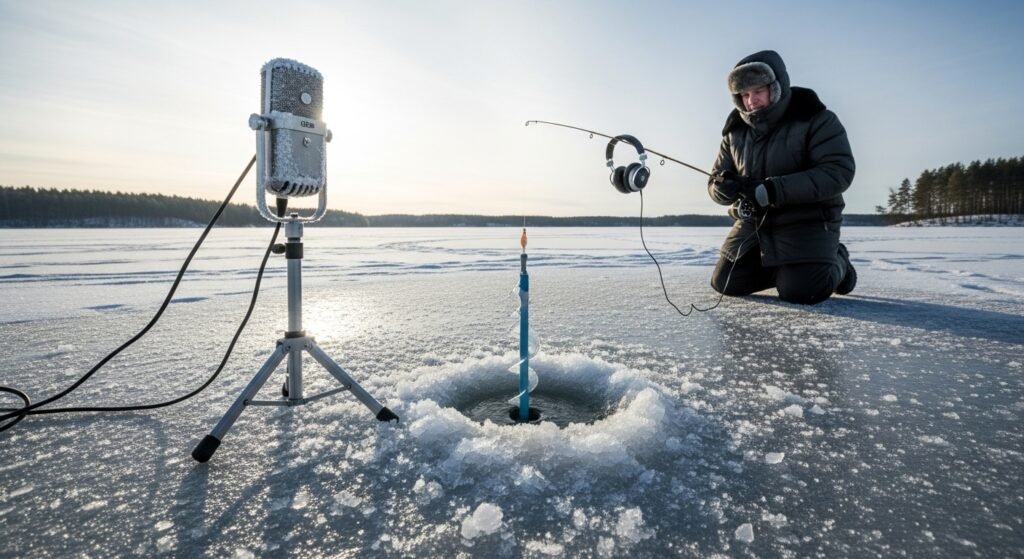
Spotting fake trends like iceporncasting is a helpful skill. Here are a few simple signs to look for. First, search the word and check the first few results. If none of them offer real definitions or trustworthy sources, the term is probably fake. Second, look at the pages you find. If they’re filled with ads and pop-ups, it’s likely clickbait. Third, ask if the word has ANY connection to news, actual products, or cultural events. No connections? Then it’s most likely nonsense. Also, check for warning signs in the comments on social media. If people seem confused or are saying things like “Don’t Google this,” it’s part of the bait. Remember, real trends usually come with useful content, real discussions, and clear context. Fake ones leave you scratching your head. When in doubt, stick to trusted websites, avoid sketchy links, and don’t fall for mystery words that seem too weird to be real.
Fun, Safe, and Smarter Things to Explore Instead
Instead of falling into the curiosity trap of terms like iceporncasting, there are amazing things to discover online that are 100% safe and worthwhile. Try searching for educational games, brain teasers, or online drawing tools. Explore DIY videos, interesting science facts, or beginner-friendly coding sites. There are platforms like Duolingo for language learning, PBS Kids and National Geographic for younger audiences, and Khan Academy for school-age learners. You can also follow verified creators on YouTube that teach cool tricks, solve mysteries, or explain how things work. Even reading stories or trying internet challenges that are safe and positive can be more rewarding than chasing down empty words like iceporncasting. The internet is a powerful tool for knowledge and fun—but only if you use it wisely. So next time something strange catches your eye, ask yourself, “Is this going to add value to my time?” If not, you already know what to do.
FAQs
Is iceporncasting a real term or trend?
No. Iceporncasting is not a real word, trend, or service. It’s a made-up keyword created to get clicks.
Is it safe to search for iceporncasting?
Searching the word isn’t harmful, but the links that pop up could lead to spammy or dangerous websites.
Can kids or teens be misled by words like iceporncasting?
Yes. Because of curiosity and fear of missing out, young users may fall for these kinds of fake trends easily.
Why are so many people suddenly talking about iceporncasting?
It gained interest because it’s mysterious, sounds suggestive, and was shared across platforms with no clear context.
What should I do if I clicked a strange link related to iceporncasting?
Close the tab, clear your browser history, and run a security scan just to be safe from malware.
How can I avoid falling for fake viral terms in the future?
Stick to reliable websites, avoid suspicious links, and educate yourself about how clickbait and SEO scams work.
Conclusion
The rise of the word iceporncasting shows how quickly the internet can turn gibberish into something big. We don’t need real meaning anymore—just a spark of curiosity, a funny name, or a viral comment. But when we chase these meaningless trends, we often waste time, fall into scams, or end up more confused than before. That’s why being smart online is so important. You don’t have to search every strange word you see. You can pause, think it through, and protect yourself from fake trends and digital clutter. Instead of feeding empty words with more attention, choose to explore things that teach you new skills, make you laugh, or help you grow. Now that you know the truth about iceporncasting, you can help others avoid the trap and choose better corners of the internet. So stay curious, but stay safe. Share this article with someone who might be wondering what it’s all about—and let’s make the online world just a little wiser, together.