


Table of Contents
Have you ever heard of žižole? If you haven’t, get ready—this small, sweet fruit is packed with history, flavor, and health benefits. Also known as jujube or Chinese date, žižole have been grown and loved for thousands of years. They may look like tiny apples or oversized olives, but they’re a lot more interesting than that. Whether you grow them in your backyard, enjoy them as a snack, or boil them into soothing tea, žižole are truly a hidden gem of the plant world. In this guide, we’ll dive into everything you need to know: what žižole are, how to eat them, why they’re good for you, and even how to grow your own. If you love finding natural, healthy foods that actually taste good, keep reading. You’re about to become a žižole fan!
What Are Žižole?
Žižole are small fruits that grow on a strong, thorny tree or shrub. They start out green and turn a reddish-brown as they ripen. When dried, they look like wrinkly dates, which is why people often call them Chinese dates. The fruit is sweet, sometimes slightly tart, and has a chewy texture. Žižole come from parts of Asia, especially China, but are now grown all over the world, including the Mediterranean and parts of America. They have been used in traditional medicine for centuries. In many households, žižole are not just food—they’re a part of culture, health, and heritage.
A Brief History of Žižole
Žižole have a long, rich history dating back over 4,000 years. In ancient China, emperors and scholars considered them a food of health and wisdom. They were used to treat many health problems, from stress to stomach issues. Over time, žižole spread west to the Middle East, North Africa, and southern Europe. Today, countries like Italy, Croatia, and Greece grow žižole and use them in various dishes and drinks. In some places, they are popular during seasonal festivals or as healing remedies passed down through generations. Their tough tree makes them perfect for dry, hot areas, which is why they thrive in Mediterranean and desert climates.
What Do Žižole Taste Like?
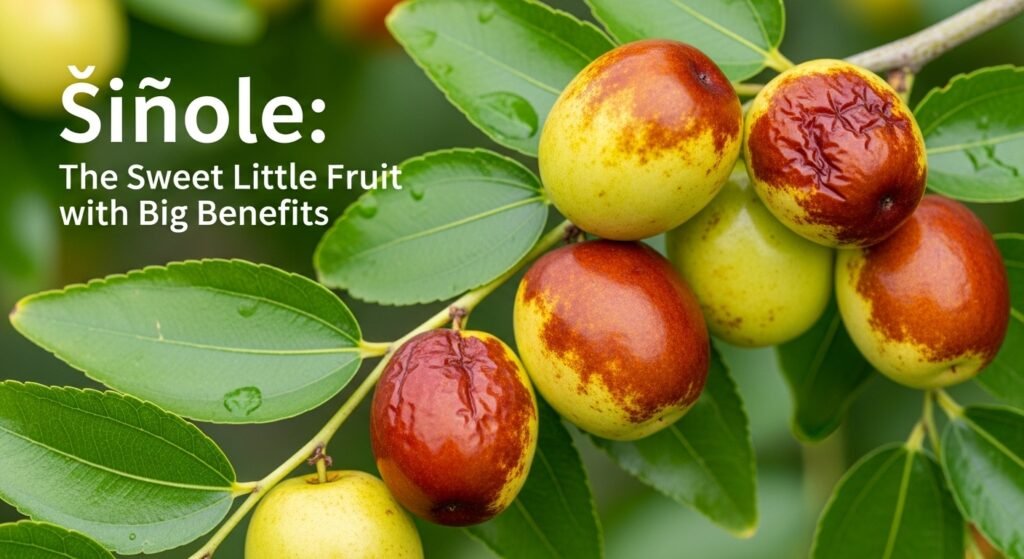
The taste of žižole depends on when and how you eat them. Fresh žižole are crisp, sweet, and a bit like an apple. They’re juicy and firm when greenish-yellow and become softer and sweeter as they darken. Once dried, žižole taste more like dates—rich, sweet, and chewy. Some people compare the flavor to caramel apples or toffee. They can be eaten straight from the tree, sun-dried, boiled into tea, or cooked into jams and desserts. Kids love them for their natural sweetness, and adults enjoy their gentle energy boost. So whether you like a refreshing crunch or a soft, chewy snack, žižole have you covered.
Why Are Žižole So Good for You?
Žižole might be small, but their health benefits are big. They’re packed with vitamin C, which helps your body fight sickness and heal quickly. They also have antioxidants that protect your cells from damage. Žižole are naturally low in calories and full of fiber. That helps your stomach feel full and keeps things moving smoothly. They’re also good for your heart, brain, and sleep thanks to special plant compounds like saponins and flavonoids. In short, eating žižole is like giving your body a natural multivitamin. They’re a smart, easy way to stay healthy without needing processed pills or sugary snacks.
Žižole and Traditional Medicine
In many cultures, žižole are more than just fruit—they’re medicine. In Chinese medicine, they are used to calm the mind, reduce stress, and improve sleep. In Ayurveda, the traditional Indian system, they treat digestion problems and balance energy. European folk medicine uses žižole tea for sore throats, coughs, and general wellness. The dried fruit, seeds, bark, and leaves are all used in healing recipes. Even in modern times, people drink žižole tea before bed to help with insomnia or eat the fruits during flu season for an immune boost. It’s amazing how one tiny fruit can have so many healing powers!
How to Eat Žižole
There are many fun ways to enjoy žižole. You can eat them raw, fresh from the tree like an apple. If you wait until they start to wrinkle, they become softer and sweeter—great for snacking! Dried žižole are often used in baking, teas, or energy bars. You can stuff them with nuts, dip them in dark chocolate, or chop them up in oatmeal or salads. A popular option is žižole tea, made by boiling dried fruits with water and a bit of honey. In some cultures, they’re turned into syrups, jams, or even wine. Every way offers a tasty and healthy experience.
How to Store Žižole for Later
If you have lots of žižole, don’t worry—they’re easy to store. Fresh žižole can be kept in the fridge for about two weeks. Just place them in a sealed container so they stay crunchy. If you want to enjoy them all year, let them dry out in the sun, in an oven, or with a food dehydrator. Dried žižole last for months in a cool, dry place. Some people freeze them, though it’s usually not needed. Stir them into your tea or rehydrate them with warm water. Long story short—žižole are the kind of fruit you can enjoy in any season.
Growing Your Own Žižole Tree
Dreaming of growing your own žižole tree? Good news—it’s easier than you think! Žižole trees love sunny, warm weather and don’t need much water once they’re established. They grow well in sandy or poor soil and are super tough. The trees can get up to 10 meters tall, but you can prune them to stay small. They start giving fruit within 2–3 years and can live for decades. In spring, pretty white flowers bloom, attracting bees. By late summer or fall, the fruits are ready. Plant one in your yard or garden, and you might never need a vitamin C supplement again!
Fun Facts About Žižole
Did you know žižole are called “red dates” in China? Or that their seeds have been found in ancient tombs? These little fruits are full of surprises. Here are some fun facts to enjoy: They’ve been used in beauty products to nourish skin. In some countries, žižole are symbols of good luck and fertility. The wood from žižole trees is strong and used to make tools or carvings. And get this: some people believe that planting a žižole tree brings peace and harmony to the home. Amazing how much charm and story can be hidden in one small fruit!
Are There Any Side Effects?
For most people, žižole are completely safe. But like any food, it’s best not to overeat. If you eat too many dried žižole, the high sugar might upset your stomach. People taking certain medications—especially for depression or seizures—should check with a doctor first. That’s because žižole seeds might interact with some drugs. Still, if you’re just enjoying a few fresh or dried fruits, you’re likely all good. Kids, adults, and even older people can safely enjoy them. Listen to your body, start slow, and enjoy the benefits without worry.
Where to Buy Žižole
If you don’t grow them yourself, you can still find žižole in stores or online. Look in health food shops, Asian or Mediterranean markets, and some farmers’ markets. You’ll see them fresh in fall and dried year-round. Some stores sell žižole tea bags or supplements too. When buying, look for fruits that are plump and wrinkle-free. Organic žižole are even better if you want to avoid chemicals. And remember—just because a fruit is new to you doesn’t mean it’s hard to find. With žižole getting more popular, they’re popping up in more and more places.
Cooking with Žižole: Easy Recipe Ideas
Žižole are fun to cook with! If you’re not sure where to start, try these simple ideas: Mix dried žižole into trail mix with nuts and seeds. Cook them into a sweet sauce for pancakes. Cut them into small pieces and add to muffins or banana bread. For a warm treat, boil žižole with cinnamon and slices of fresh ginger. Want something fancy? Stuff dried žižole with almonds and a little honey. Or try baking them into savory dishes like rice or couscous. Their mild flavor works in both sweet and salty recipes!
FAQs
1. What are žižole good for?
Žižole are great for your immune system, digestion, sleep, and stress. They’re rich in vitamins and antioxidants.
2. Can kids eat žižole?
Yes! Žižole are safe and healthy for kids, especially as a sweet, natural snack.
3. Can I eat žižole every day?
Absolutely—but like anything, enjoy in moderation. A few fresh or dried ones a day are perfect.
4. Where do žižole grow?
Žižole grow in warm, sunny places like Asia, the Mediterranean, and parts of the U.S.
5. Are žižole the same as dates?
No, but they’re similar. Žižole are jujubes, and while dried ones look like dates, they come from different trees.
6. How do I make žižole tea?
Boil a handful of dried žižole in water for 10–15 minutes. Add honey or ginger if you like.
Conclusion
If you’ve made it this far, chances are, you’re curious to try žižole—and you should! These sweet little fruits are tasty, healthy, and a joy to eat. Whether you snack on them fresh, brew them into calming teas, or grow your own tree, žižole bring something special to your life. They’re the perfect mix of tradition, flavor, and wellness. So go ahead, grab a handful, share with friends, or plant a tree in your backyard. You’ll be part of a long line of people who have loved žižole for thousands of years. Let this humble fruit become your new favorite superfood. Give žižole a try—you won’t regret it!