

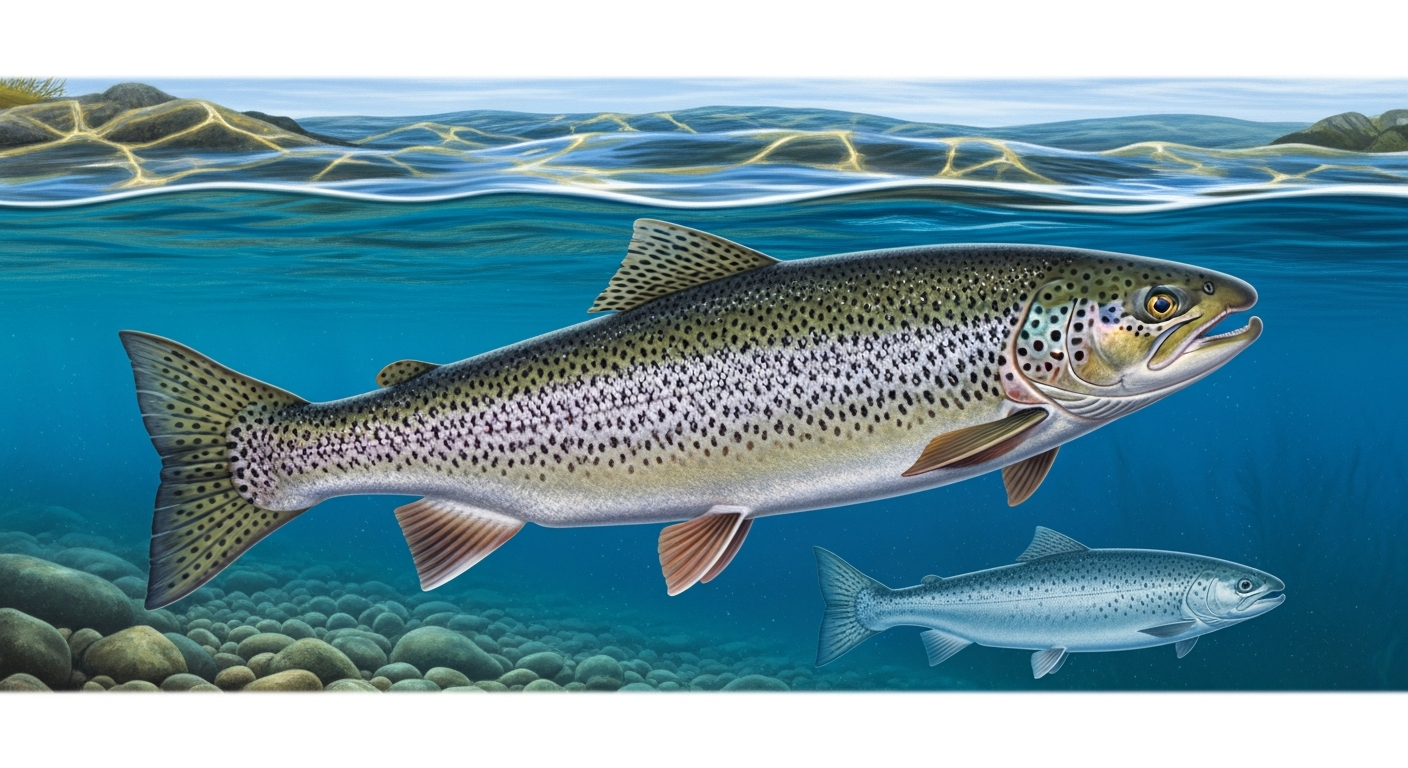
Sea Trout is one of the most fascinating fish in both rivers and the sea. Sea trout live in cold rivers and travel to the ocean, making them unique compared to other fish. People love sea trout not only because it tastes delicious but also because it is exciting to catch. Fishermen often plan trips around rivers and coasts where sea trout swim, and many stories are shared about the big ones that escape or fight back. Sea trout are part of the salmon family, and they change their color as they grow. Young sea trout are silver with dark spots, and when they return from the sea, their colors may change to brown or bronze. This change helps them survive in both fresh and saltwater, hiding from predators and blending into the riverbeds.
Sea trout are not just a food source; they are also important for the ecosystem. They eat insects, small fish, and other tiny animals, keeping the rivers clean and balanced. Birds, larger fish, and even humans rely on the sea trout as a key part of the food chain. Understanding sea trout is also helpful for protecting rivers and oceans. Many rivers have rules about catching sea trout because too much fishing can harm their population. By learning about where sea trout live, how they grow, and how to catch them safely, people can enjoy fishing without hurting nature. Sea trout can live up to 10 years in the wild, and during this time, they make incredible journeys from the river to the sea and back, showing resilience and beauty in every leap and swim.
Sea Trout Life Cycle: From River to Ocean and Back
Sea trout start their life in rivers as small eggs hidden under rocks. When they hatch, they become tiny fish called fry, which stay in the river for a few months. As they grow, they turn into parr, showing dark spots on their silver bodies. After some time, they travel to the ocean, where they grow bigger and stronger. The sea helps them find more food like small fish and insects. After one or two years in the ocean, they return to their home river to spawn. This journey is very hard, but it is necessary for their life cycle. Each sea trout may travel hundreds of miles, showing courage and strength during their migration.
How to Identify Sea Trout in Rivers and the Sea
Sea trout can be identified by their silver bodies and dark spots. In rivers, they look smaller and have a bronze or brown color. In the ocean, they shine silver and look bigger because of the saltwater. Their fins are often dark, and some have red or orange edges. During spawning, males may develop a hooked jaw called a kype. Young sea trout look like tiny salmon with stripes, while older ones have a glimmering shine. Spotting the difference between sea trout and other trout is important for anglers and nature lovers. By looking carefully at their colors, spots, and size, anyone can enjoy watching or catching these amazing fish.
Sea Trout Habits: Feeding, Swimming, and Migration
Sea trout are active fish that eat insects, worms, and smaller fish. They swim in rivers slowly at first and then speed up in the ocean. At night, they may hunt closer to the river surface. They travel long distances to find food, sometimes hundreds of miles away. Migration is their natural habit, moving from rivers to the sea and back to spawn. Sea trout also rest in deeper water during hot days or when predators are near. Their swimming pattern changes with water temperature, seasons, and food availability. Watching sea trout in rivers or streams can be exciting, as their jumping and fast swimming show how healthy and strong they are.
Tips for Catching Sea Trout: A Beginner’s Guide
Catching sea trout requires patience and the right tools. Beginners should use light rods and small lures that mimic insects or small fish. Early morning or late evening is the best time to fish, as sea trout are more active then. Look for deeper river pools or river bends where trout hide. Casting gently and waiting quietly helps avoid scaring them away. Fly fishing is popular because it mimics natural food. Always follow local rules about size and number of fish you can catch. Sea trout fishing can be fun and relaxing if you plan carefully and respect nature. Beginners should practice patience because sea trout are smart and can escape easily.
Sea Trout Recipes: Cooking Delicious and Healthy Fish
Sea trout is tasty and healthy for everyone. It can be baked, grilled, or pan-fried with simple spices. Lemon, garlic, and herbs like dill or parsley make it delicious. Sea trout has soft, pink flesh that cooks quickly. It is rich in protein and omega-3, which is good for the heart and brain. Kids and adults both enjoy its mild flavor. You can also make sea trout salads, sandwiches, or pasta dishes. Cooking fresh sea trout at home is easy and fun. Learning simple recipes helps you enjoy healthy meals while appreciating nature’s gifts. Each dish can be colorful, tasty, and full of nutrients.
Sea Trout Conservation: Protecting Rivers and Oceans
Sea trout need clean rivers and oceans to survive. Pollution, overfishing, and damming rivers can harm their life cycle. Protecting rivers by keeping them clean and safe helps sea trout return every year. Fishing rules, like size limits and catch-and-release, are important to keep populations healthy. Planting trees along rivers helps prevent erosion and keeps water cool for fish. Conservation groups and local communities work together to protect sea trout habitats. Learning about sea trout and their needs is important for everyone. By protecting rivers and oceans, humans ensure sea trout can live long and healthy lives for future generations to enjoy.
Sea Trout vs. Other Trout: What Makes It Special
Sea trout is different from other trout because it can live in both fresh and saltwater. It changes color and grows bigger when it moves to the ocean. Other trout usually stay in rivers or lakes. Sea trout also travels longer distances during its life cycle. Its taste is slightly stronger and more flavorful than river trout. Anglers love sea trout for its fight and challenge when caught. Watching sea trout jump or swim upstream is exciting and unique. Its ability to survive in rivers and the sea makes it special. Learning to identify and appreciate sea trout helps people enjoy nature and fishing responsibly.
Conclusion
Sea trout is one of the most interesting fish in the world. It starts life as a small egg in rivers and grows into a shiny, strong fish that travels to the ocean. Its journey is long and hard, but it shows how brave and clever sea trout are. Watching them swim and jump in rivers is exciting. They teach us about life, nature, and survival. Sea trout are not just food; they are part of the river and sea ecosystem. Birds, bigger fish, and humans all depend on sea trout to keep rivers healthy.
Catching sea trout can be fun if we are patient and careful. Beginners should use small lures and fish quietly. Early mornings and evenings are the best times. Fly fishing works well because it looks like the food sea trout eat. Following local fishing rules keeps sea trout safe. We should always practice catch-and-release if we take too many fish. Fishing sea trout is not just a sport; it is a way to connect with nature and understand the life of this amazing fish.