

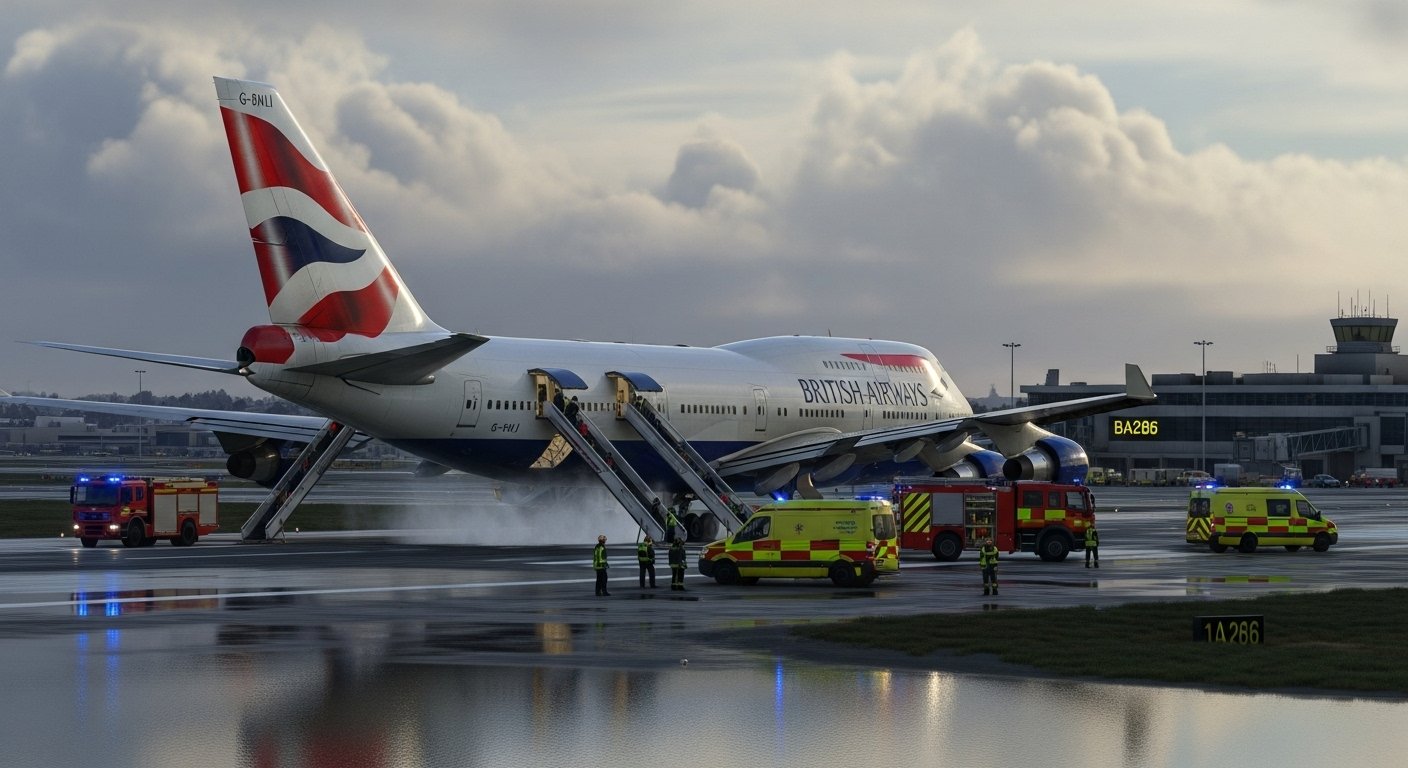
Traveling by air is often smooth and safe, but sometimes things don’t go according to plan. One recent event that caught global attention was the British Airways emergency flight BA286. This flight left passengers shocked, families concerned, and experts analyzing every detail. What happened on board? Why was the flight declared an emergency? Most importantly, how did the airline respond, and what should travelers know if they ever face something similar? In this detailed guide, we’ll break down the full story of BA286. We’ll also explore how airlines handle emergencies, what passengers can do, and how British Airways is working to keep flights safe. Whether you’re a frequent flyer or just curious, this article will give you a clear, helpful, and easy-to-understand look at everything surrounding British Airways emergency flight BA286.
A Quick Summary of the BA286 Emergency
The British Airways emergency flight BA286 took off from San Francisco International Airport, heading to London Heathrow. Midway through the journey, things changed. The flight crew declared an emergency and diverted the plane to a different airport. Emergency lights and alerts were triggered, and air traffic controllers were notified. The captain spoke to passengers calmly, explaining there was a technical issue being handled carefully. Emergency teams were ready on the ground as the plane landed safely. Thankfully, no injuries were reported, and the flight ended with passengers unharmed and supported by the airline. But it left many wondering what exactly happened and how things were handled so smoothly.
Why Was Flight BA286 Declared an Emergency?
Table of Contents
Declaring an emergency in aviation is a serious decision. Pilots are trained to do it when something doesn’t feel right. On British Airways emergency flight BA286, early reports say a technical signal alerted the cockpit about a possible mechanical fault. It didn’t pose immediate danger, but as a safety step, the crew chose to divert and land early. Aviation experts strongly support this choice because early decisions save time if things get worse. Emergencies can be declared for many reasons: engine alerts, smoke detection, system malfunctions, or passenger medical issues. The BA286 case is a great example of how safety steps can stop a small issue from becoming a big one.
How Crew Handled the Emergency
When crews are well-trained, things go better—especially in unexpected moments. On British Airways emergency flight BA286, both pilots and cabin crew acted quickly, calmly, and clearly. The captain informed the passengers right away, assuring them that everything was going to be okay. The cabin crew followed all protocols, checked the cabin, and prepared everyone for a smooth landing. Pilots coordinated with air traffic control and followed logic over panic. It’s this training and experience that kept the entire event under control. Many passengers later shared they were impressed by how professional and kind the crew was, even under pressure.
What Passengers Experienced During the Flight
Some passengers later spoke out about what happened on British Airways emergency flight BA286. They described hearing a message from the pilot explaining the need to divert. Emergency lights weren’t flashing inside the cabin, but there was a sense that something unexpected was happening. Most people stayed calm, comforted by the crew’s careful tone. Some parents reported reassuring their kids, while others quietly read books or watched movies. The atmosphere wasn’t one of fear, but of alertness. When the plane landed and emergency teams were visible outside, passengers knew safety was still the airline’s top priority.
How British Airways Responded After Landing
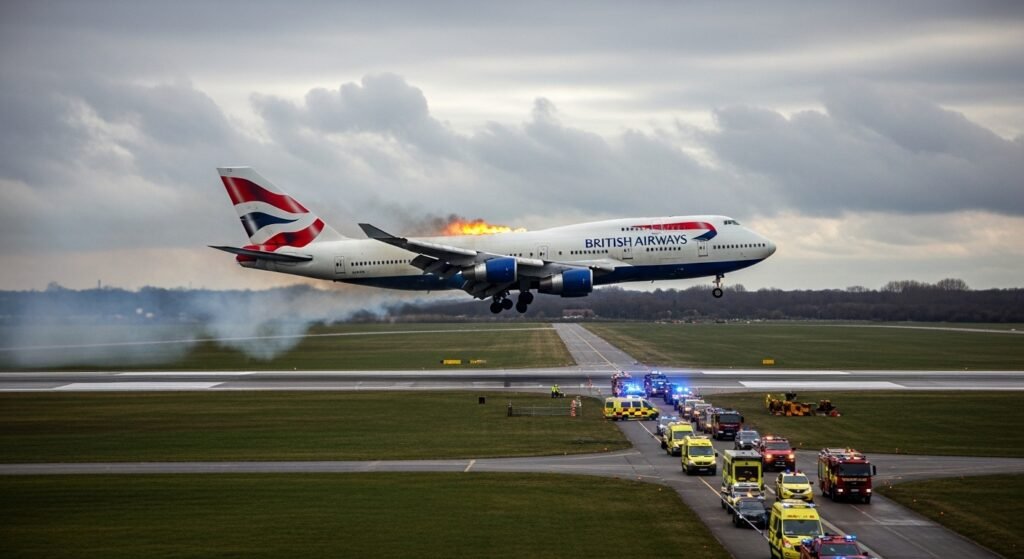
Once British Airways emergency flight BA286 landed, the airline worked fast to support its passengers. Medical teams were on site in case anyone needed help, though none was reported. Buses guided passengers from the aircraft to the terminal. BA offered rebooking options, meal vouchers, hotel stays if needed, and full customer care support. People shared online that they got updates quickly and felt looked after. British Airways also released statements to the media, confirming the safe landing and sharing that safety led the actions taken during the flight. Their fast communication helped build trust and calm fears for other travelers with upcoming flights.
Where Did the Aircraft Land?
Diverting a plane mid-flight means finding the nearest safe airport quickly. In the case of British Airways emergency flight BA286, the aircraft was redirected to a well-equipped international airport that had full emergency crews and the necessary runway length. While reports vary, such decisions are often made to ensure the aircraft can land smoothly and receive urgent technical checks. The airport staff coordinated with British Airways, emergency teams, and customs to manage the change. For travelers, this meant a temporary detour—but safety always comes before convenience or schedule.
Common Reasons Why Flights Get Diverted
While emergencies in the air may feel rare, they aren’t unheard of. Flights get diverted for reasons big and small. The key reason in British Airways emergency flight BA286 was likely a technical warning. But other causes include low visibility at airport destinations, medical emergencies, cabin pressure changes, or bird strikes. Crew also might divert if fuel levels fall lower than expected due to strong headwinds. In all these cases, declaring an emergency or redirecting a flight is a safe, smart action. It’s all about giving the flight crew more control, and the plane more options.
What Is a “Full Emergency” in Aviation?
When a pilot calls a full emergency, it alerts everyone involved—onboard and on the ground. The term covers a wide range of situations that require a fast and professional response. In British Airways emergency flight BA286, a full emergency call meant ATC (air traffic control) bumped this flight to the front of the landing queue, with emergency teams ready at the runway. Firefighters and medical teams waited at key locations, just in case the issue became critical. Airlines practice for this regularly using simulators and real-world drills. It’s all designed to protect lives in those crucial moments when fast action counts.
Passenger Rights During a Flight Emergency
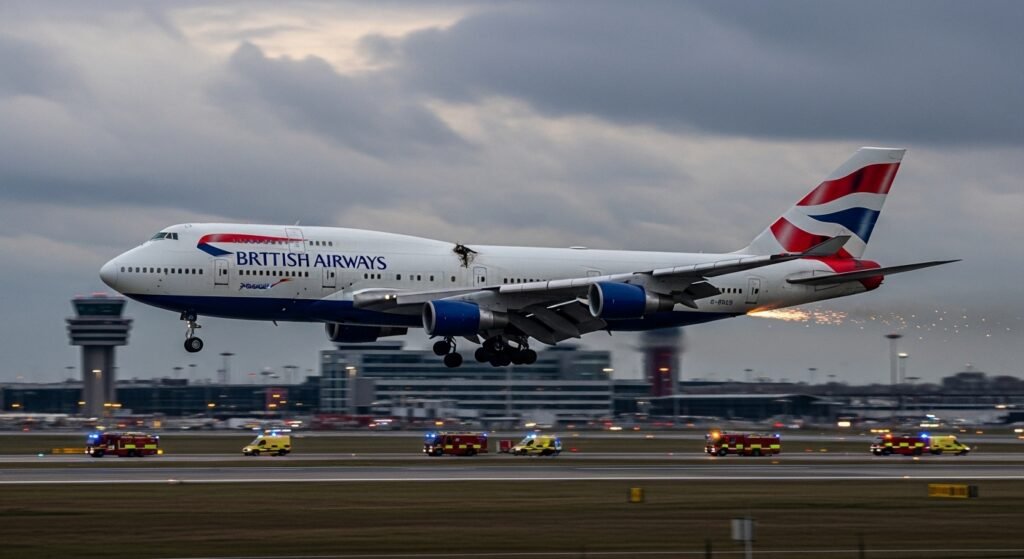
Many travelers ask, “What are my rights during events like British Airways emergency flight BA286?” The answer depends on the airline, the location, and the cause. In most countries, if a flight is changed due to safety issues, airlines provide basic care: meals, rebooking, hotel stays when delays are long, and constant updates. British Airways quickly offered support, showing a strong customer-first approach. Compensation may not always apply in technical safety emergencies, but passengers are still protected by regulation and care policies. Always ask questions at the airport or through the airline’s support team.
How Planes Are Checked After an Emergency Landing
Once a plane like British Airways emergency flight BA286 lands safely, it’s not allowed to fly again until full checks are completed. Engineers power down the aircraft and begin system-by-system inspections. Everything gets reviewed—engine performance, fuel system integrity, electronic panels, and even oxygen levels. If replacement parts are needed, they’re flown in or sourced locally. This process may take hours or even days, depending on the issue. Maintenance teams also log these checks carefully, creating a full report for airline safety records. Only once it’s fully clear does the plane return to service.
Why Safety Always Comes First in Aviation
Though emergencies can be unsettling, it’s comforting to know airlines always prioritize safety. Events like British Airways emergency flight BA286 show just how seriously these procedures are taken. Airlines spend millions each year on training, equipment, and preventive care. Pilots rehearse emergencies in simulators every six months. Cabin crews constantly update their emergency skills. And aircraft themselves are built with layers and layers of backup systems. From start to finish, safety is never something “extra”—it is the foundation of every flight.
Real Experiences Build Trust
Many passengers on British Airways emergency flight BA286 posted online after their experience. What stood out was how positive their comments were, even after something unexpected. One traveler wrote, “The flight crew stayed so calm—they really made us feel safe.” Another said, “It wasn’t scary, but it makes you realize how skilled these pilots truly are.” These real, human stories help build trust in air travel. When we hear from others, especially when they’ve gone through something difficult but were cared for, it strengthens our own confidence for future trips.
What to Do If You’re Ever in a Flight Emergency
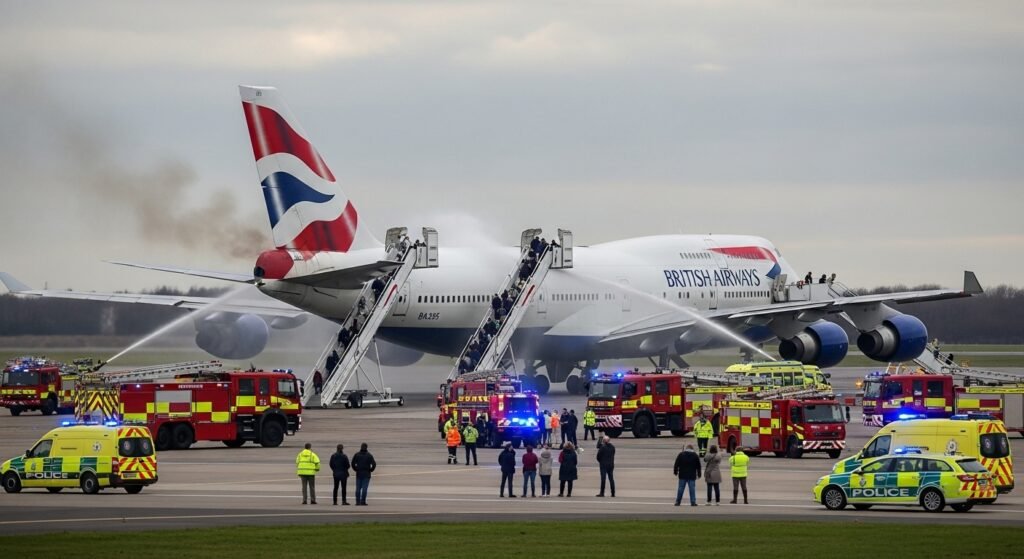
If something like British Airways emergency flight BA286 happens on your flight, here are helpful steps to keep in mind:
- Stay calm: Listen to the captain’s updates and stay seated with your belt fastened
- Follow crew instructions: They’re trained to help and keep things under control
- Keep essentials nearby: Your ID, medications, and charger should always be in your carry-on
- Help others if needed: Stay kind and aware of passengers around you
- Wait for rebooking instructions: Don’t rush to the gate desk—airlines usually issue updates electronically
Doing these things helps you stay safe and also helps the crew manage the situation effectively.
FAQs
1. What caused British Airways emergency flight BA286 to divert?
The flight was diverted due to a technical issue that triggered an emergency response as a precaution.
2. Was anyone hurt during the BA286 emergency?
No, all passengers and crew landed safely. There were no medical emergencies or injuries reported.
3. Did British Airways offer help to the stranded passengers?
Yes, they provided hotel stays, meals, rebooking help, and transportation for affected passengers.
4. Where did the British Airways emergency flight BA286 land?
The plane diverted to a nearby major airport capable of handling emergencies with full support on standby.
5. Will passengers get compensation after the BA286 diversion?
Compensation depends on reasons and local aviation laws. British Airways did provide assistance and support.
6. How can I stay safe during an in-flight emergency?
Stay calm, follow crew instructions, and keep your seatbelt on. Trust the crew—they are trained for it.
Conclusion
The story of British Airways emergency flight BA286 reminds us of one important truth—air travel is incredibly safe, and professionals are working behind the scenes at all times to keep it that way. This flight may have taken an unexpected turn, but it showed how well-prepared airline crews truly are. Every action was thoughtful, every response was calm, and every decision was made with safety first. For passengers, this experience may have been stressful, but it ended in a safe landing and fast support. For all travelers, it offers peace of mind. Whether you’re flying for business, family visits, or vacation, knowing that your airline is ready for emergencies brings comfort. British Airways emergency flight BA286 could happen to any airline—but it’s the response that matters. And in this case, it was the exact response everyone hopes for.