

Table of Contents
Many people have never heard of asbestlint, but it’s something we all need to understand. It sounds like a strange word, right? But it carries serious health risks that can affect families, workers, and communities. Asbestlint refers to the tiny, invisible fibers from asbestos materials. These fibers are so small you can breathe them without even knowing. And once inside your body, they can stay there for years—sometimes even for life. This article will help you learn what asbestlint is, why it’s dangerous, where it’s commonly found, and how to protect yourself and loved ones. We’ll break it down in a clear, friendly way, using simple words and real information. By the end, you’ll understand why it matters and what steps you can take to stay safe. Let’s dive into the world of asbestlint and uncover the dangers hiding in plain sight—and what you can do about them.
What Is Asbestlint?
Asbestlint is a small word for a big problem. It refers to the fine, dust-like particles that come from disturbed asbestos materials. These fibers are so tiny you can’t see them with your eyes. But once they’re in the air, they can float around and get into the lungs when you breathe. Asbestlint is not a type of material—it’s a byproduct of damage, removal, or wear of asbestos-containing products. This “lint” is especially dangerous because it easily gets into the air and stays there for a long time. Unfortunately, asbestlint can be found in older homes, schools, factories, and even ships built before the 1980s. If walls, floors, or ceilings made from asbestos get broken or damaged, they release this invisible fiber dust. That’s why it’s so important to know how to safely handle areas with possible asbestos.
A Quick Look at Asbestos
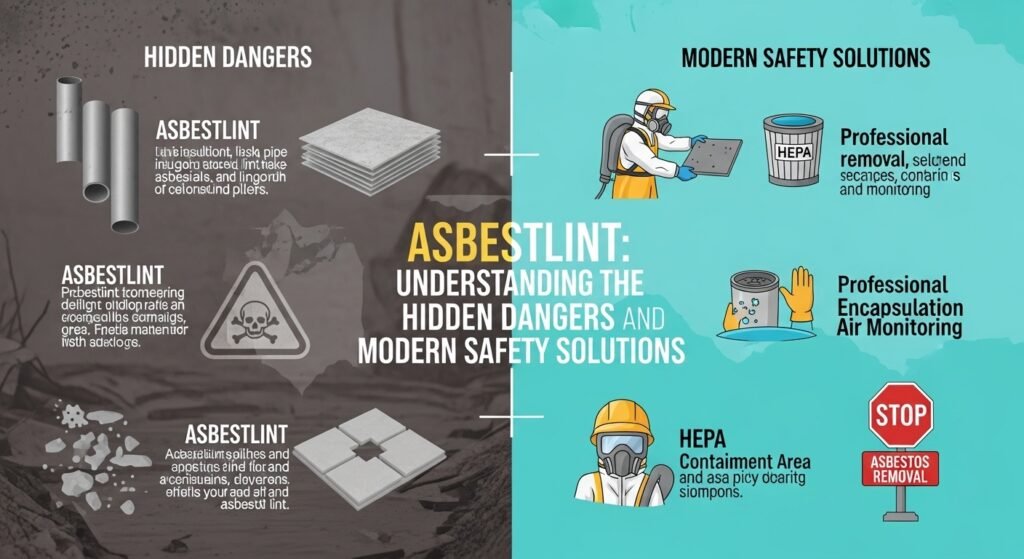
To understand asbestlint, it helps to know about asbestos in general. Asbestos is a natural mineral made up of tiny, sharp fibers. In the past, people used asbestos in buildings because it was strong, fireproof, and cheap. It was found in insulation, tiles, roofing, and even certain paints. At the time, it seemed like a miracle material. But over the years, scientists discovered something scary. Those tiny asbestos fibers could cause serious diseases when breathed in. Today, asbestos is banned or heavily controlled in many countries. Still, millions of older structures contain it—and that’s where asbestlint becomes a hidden risk.
Why Is Asbestlint So Dangerous?
Asbestlint is dangerous because of the harm it can do to your lungs. When you breathe in these tiny fibers, they travel deep into your body. They can stick inside lung tissue and stay there forever. Over time, this can cause serious illnesses, sometimes decades later. One of the worst outcomes is mesothelioma, a rare and deadly form of cancer. Asbestlint can also cause asbestosis, which makes it hard to breathe, and lung cancer. What makes it more frightening is how invisible it is. People may not even know they’ve been exposed until years later. That’s why experts say there is no “safe level” of asbestlint exposure. Even a small amount can lead to health problems over time, especially if it happens often.
Where Can You Find Asbestlint?
Asbestlint can show up in more places than you might expect. In older homes, schools, or office buildings, asbestlint may be hiding inside walls, under tiles, or above ceilings. If these materials are touched, cut, or broken, they start to release fibers into the air. Old insulation in attics or basements is another common source. It’s also been found around heating pipes and furnaces wrapped in old asbestos coverings. Even textured ceilings—sometimes called “popcorn ceilings”—might have asbestos in them. Some old car parts, like brake pads and clutches, once used asbestos too. That means garages and workshops can also have asbestlint buildup. If you’re living or working in a building built before the 1980s, it’s essential to be careful during any remodels, repairs, or demolition.
Who Is at Risk of Asbestlint Exposure?
Many people are at risk of being exposed to asbestlint, especially those working in construction, demolition, or repair. People who renovate or flip old houses may not realize they’re dealing with asbestos. Even teachers, office workers, and homeowners can be exposed if asbestos materials start to break down over time. Children are especially at risk because their lungs are still growing, and their bodies can’t handle harmful toxins as well as adults. Second-hand exposure can also happen. For example, someone who works around asbestlint might bring home fibers on their clothes, unknowingly putting their family at risk. That’s why safety measures and proper handling are so important for everyone—not just professionals.
Signs That You Might Have Asbestlint in Your Home
If your home was built before the late 1980s, there’s a chance it contains asbestos. But here’s the tricky part—unless you’re trained to identify it, you can’t just look at a material and be sure. Still, some signs can point to a possible problem. Cracked or crumbling ceiling tiles, peeling floor tiles, or damaged insulation in older homes might be releasing asbestlint. Water damage or remodeling without proper checks can also disturb hidden asbestos. If you start coughing more, feel a tight chest, or have shortness of breath after a renovation, it’s time to speak to a doctor. Professional asbestos testing kits or environmental specialists can safely test materials in your home for asbestos and asbestlint contamination.
Safe Ways to Handle Suspected Asbestlint
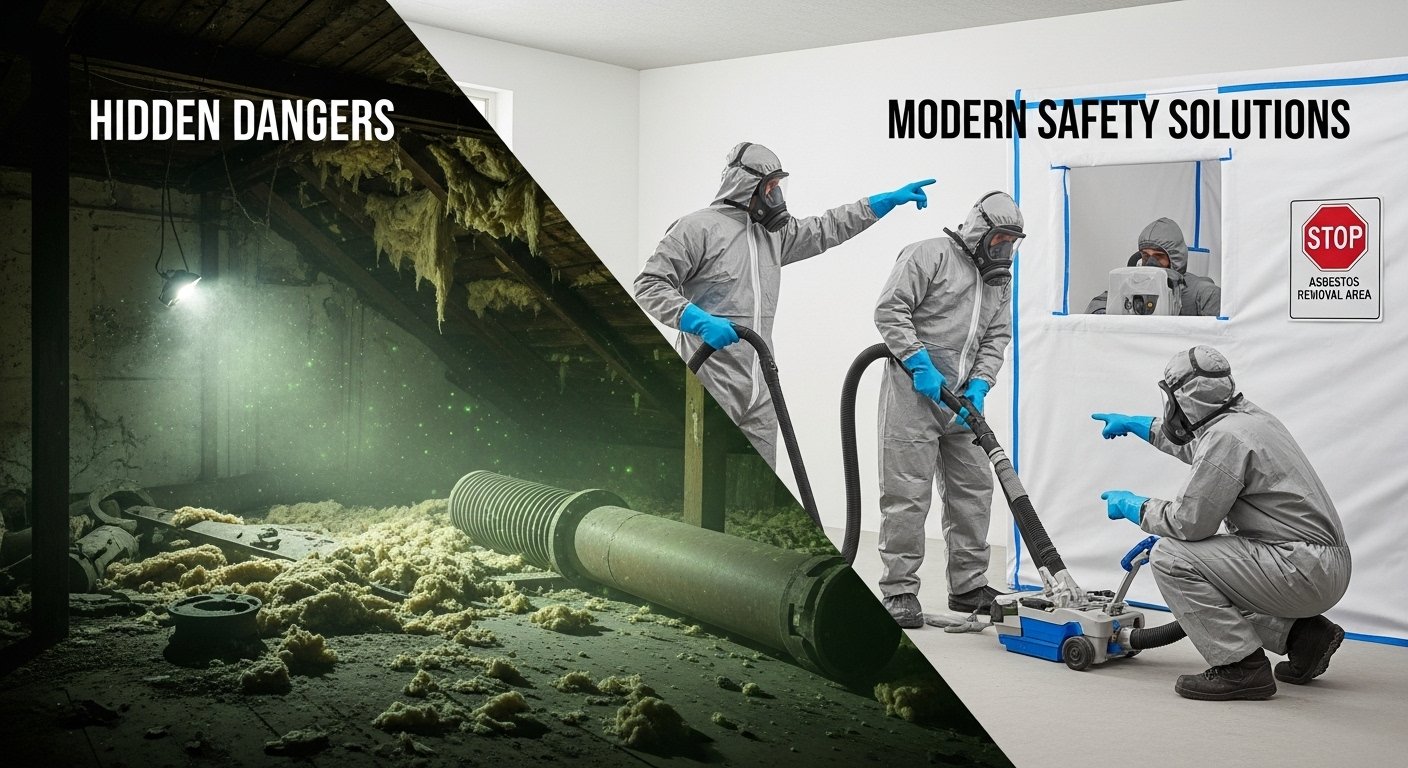
If you think you have asbestlint in your house or workplace, the best thing to do is stay calm—and don’t try to clean it yourself. Sweeping or vacuuming can make things worse by putting more fibers into the air. Instead, call a certified asbestos professional who knows how to handle it properly. These experts wear protective suits and use special tools and vacuums with HEPA filters designed for asbestos dust. In some cases, the best option is to seal the area and leave the asbestos alone, especially if it’s still in good shape and not crumbling. Regular air testing and inspections can also help ensure that fibers aren’t sneaking into your breathing space.
Legal Rules About Asbestlint in Buildings
Governments around the world have made laws to protect people from asbestos and asbestlint. In many places, building owners are required to check for asbestos before doing any construction or renovation. In the United States, for example, the EPA and OSHA have strict rules. These laws say that asbestos must be tested, safely removed, and disposed of in certified locations. In the U.K., workers must follow the Control of Asbestos Regulations. These laws are in place to protect both workers and the public. If you’re buying or renting an older home or building, you have the right to ask if there’s any known asbestos present. Schools, hospitals, and businesses are also legally required to follow strict rules when it comes to asbestlint exposure.
How Experts Remove Asbestlint Safely
Removing asbestlint is a job for trained professionals only. Experts use a method called “asbestos abatement” to handle and remove dangerous materials. First, they seal off the area with plastic sheets and set up warning signs. Then, they wear full-body protective suits, special masks, and gloves. During removal, air purifiers with strong filters run all the time to trap floating fibers. The asbestos waste is then placed in sealed bags and taken to a special facility for safe disposal. Nothing gets left behind. After cleanup, air samples are tested to make sure the area is fully safe. This careful process helps protect not just the workers, but also anyone else who might enter the space.
How to Protect Yourself and Your Family
Even if you’re not a construction worker or builder, you can still take smart steps to protect yourself and your loved ones from asbestlint. First, learn about your home. If it was built before the 1990s, look into its renovation history or get a professional inspection done. Avoid DIY demolition work unless you are sure the area is free of asbestos. If you rent, ask your landlord if the property has been checked for asbestos. If any suspicious materials are exposed, leave the area and call an expert. When hiring contractors, make sure they are certified to handle asbestos. Finally, teach your family—especially kids—not to touch damaged walls, ceilings, or pipes they don’t understand. A little awareness goes a long way.
New Technologies That Help Detect and Control Asbestlint
Today, modern technology is making it easier to detect and manage asbestlint. There are now handheld scanning tools that can quickly spot asbestos materials without breaking them open. Air quality sensors can detect tiny airborne particles and alert you early. Some companies even use drones and thermal cameras to inspect large buildings safely. New types of strong, flexible enclosures keep fibers from escaping during removal. Even improved vacuum systems with ultra-fine HEPA filters now capture more dangerous particles. Technology is making the process safer, faster, and more affordable for many people. This means more homes and buildings can become safer without major delays or high costs.
Real Stories of Asbestlint Exposure
Hearing real stories makes the danger feel more real. One example is from an old school in Pennsylvania. The school had cracked ceiling tiles in several classrooms. No one thought much of it until teachers and students began getting sick. Tests later showed high levels of asbestlint in the air. Another case was an old couple in their 70s who started remodeling their bathroom themselves. They didn’t know they had disturbed asbestos-containing tile. The husband later developed breathing problems and was diagnosed with asbestosis. These stories are not meant to scare you but to help you understand how easy it is to be exposed—and why awareness and action are so important.
FAQs
1. What is asbestlint?
Asbestlint is a term used to describe tiny, airborne asbestos fibers released when asbestos materials break down or are disturbed.
2. Is asbestlint visible to the naked eye?
No, the fibers are too small to see. They often float in the air without any warning or smell.
3. What illnesses can asbestlint cause?
Asbestlint can cause serious diseases like mesothelioma, lung cancer, and asbestosis, which may develop many years after exposure.
4. Where is asbestlint commonly found?
It can be found in older homes, schools, ships, and other buildings built before asbestos bans in the 1980s.
5. Can I remove asbestlint myself?
No, asbestos removal should only be done by trained professionals. Doing it yourself can increase danger to you and others.
6. How can I check if my house has asbestlint?
You can hire a licensed inspector to safely test materials and air quality in your home for asbestos.
Final Thoughts
Asbestlint might be invisible, but its danger is very real. Whether you’re a homeowner, renter, teacher, parent, or builder, understanding the risks can help save lives. You don’t have to live in fear—but you do need to stay informed. Knowing where materials might contain asbestos, recognizing signs of damage, and taking the right safety steps are all key. Never take chances with your health or your family’s safety. If you suspect that asbestlint might be in your home or workplace, don’t wait. Call a qualified expert to check it out. Staying proactive and cautious will help protect your lungs, your loved ones, and your peace of mind. Because your safety should never be a guessing game. Share this guide with others who may be at risk—and help spread awareness for a safer tomorrow.